
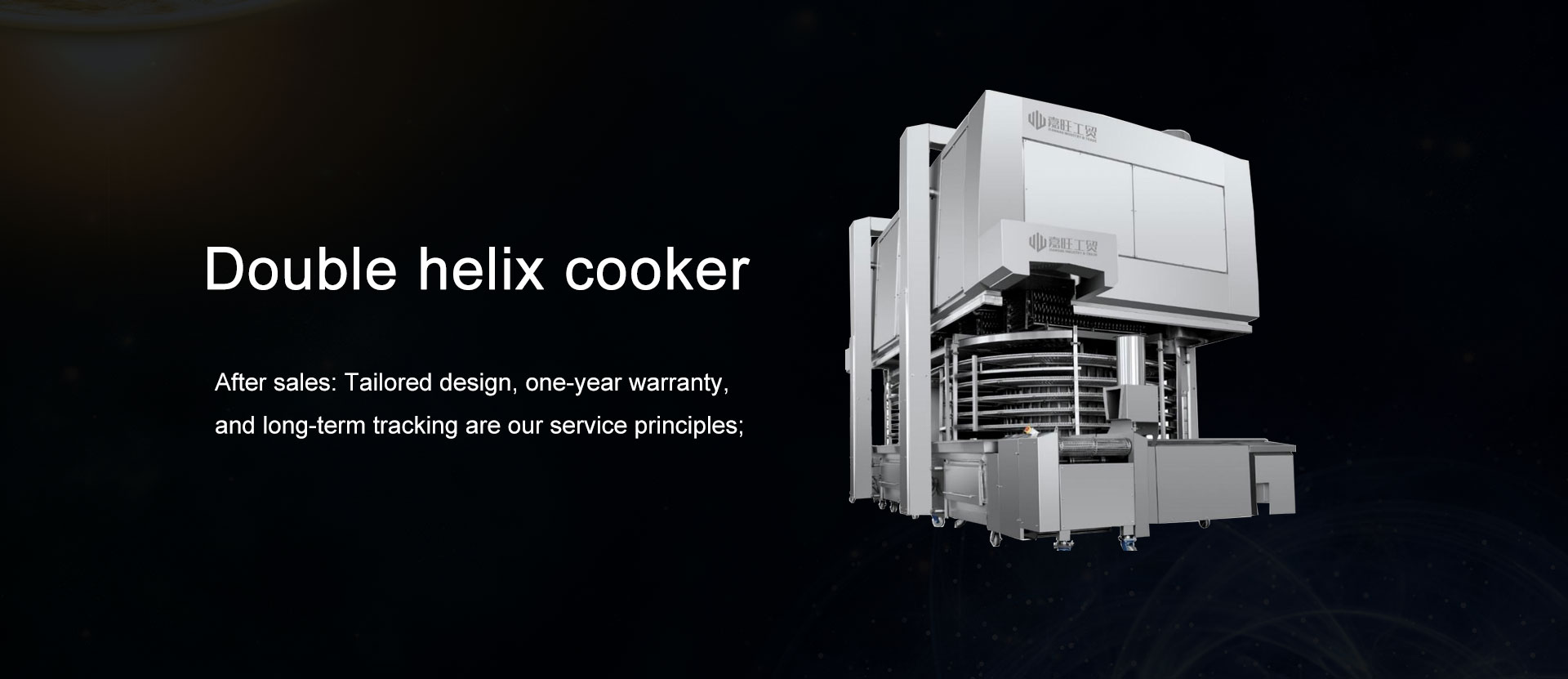
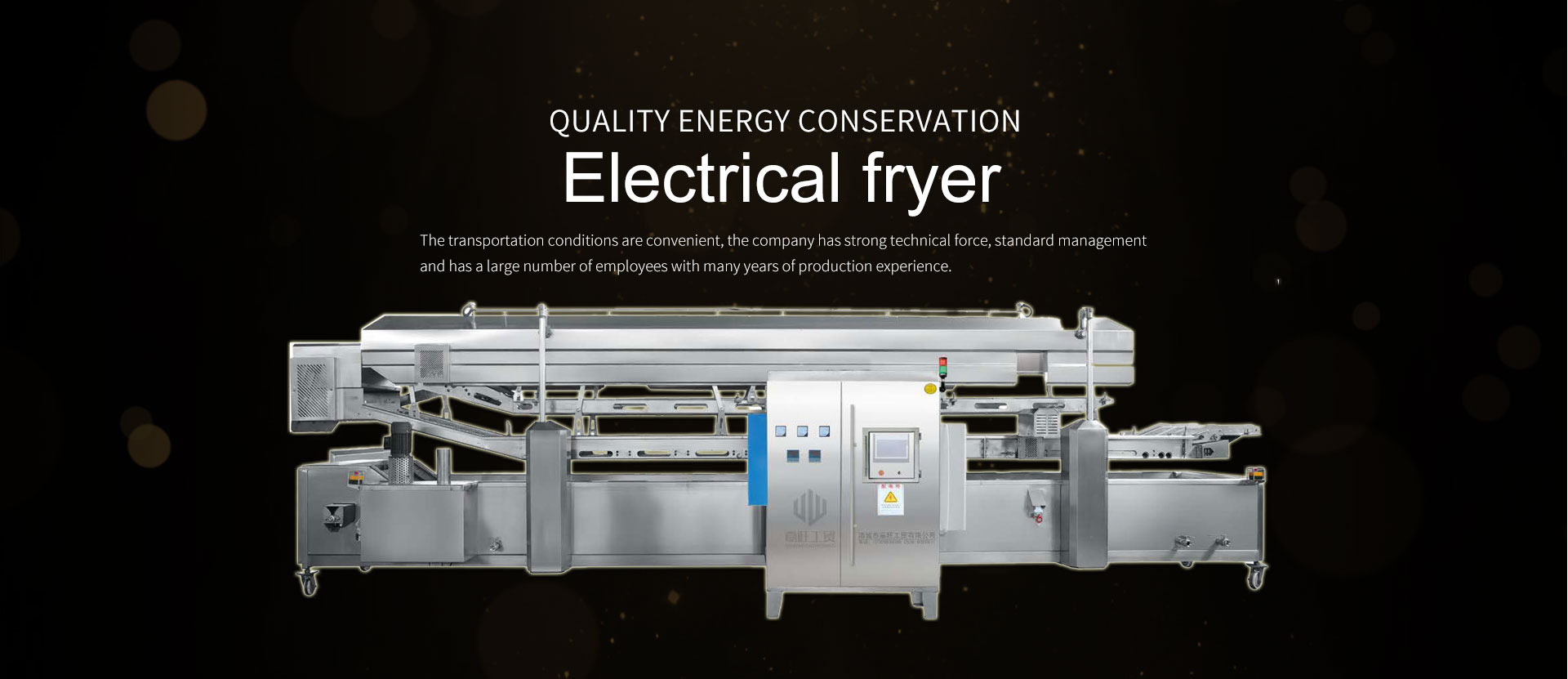
Choosing the right Oil fryer is critical for high-volume bakery production, where consistency, output, and oil management directly affect product quality and operating costs. For large-scale frying lines, the best equipment must balance throughput, temperature stability, filtration performance, and long service life. This guide outlines a practical checklist to compare an Oil fryer for bakery applications and support efficient equipment selection.
Why a Checklist Matters in Bakery Frying Equipment Selection
A high-volume bakery line cannot rely on basic fryer specifications alone. Capacity on paper may not match actual production under continuous loading, changing product sizes, or strict quality requirements.
A checklist helps compare each Oil fryer against the same operational standards. It also reduces the risk of buying equipment that performs well in tests but creates oil waste, uneven color, or frequent downtime in daily use.
Core Checklist for Choosing an Oil Fryer
- Confirm real hourly output under continuous bakery production, not only batch estimates, and match the Oil fryer capacity to peak demand, product size, and planned line expansion.
- Check temperature control accuracy across the frying zone, because stable heat distribution is essential for uniform color, texture, moisture retention, and reduced reject rates.
- Evaluate oil circulation and filtration design to remove crumbs quickly, extend oil life, reduce flavor carryover, and keep fried bakery products visually clean.
- Review heating efficiency and recovery speed after product loading, since slow recovery causes inconsistent frying and limits output during long production shifts.
- Inspect belt design, product conveying stability, and residence time control to ensure delicate dough items move evenly without sticking, floating irregularly, or breaking.
- Verify cleaning access for tanks, pipes, filters, and heating areas, because poor sanitation access increases labor time and raises contamination risk.
- Assess material quality, weld finish, and corrosion resistance, especially for equipment exposed to hot oil, steam, washdown procedures, and continuous factory use.
- Compare automation features such as oil level monitoring, temperature alarms, filter cycles, and recipe storage to improve repeatability and reduce operator intervention.
- Examine how the fryer connects with upstream and downstream equipment, including proofing, coating, draining, cooling, and packaging systems in the bakery line.
- Request service details, spare parts support, and expected maintenance intervals before purchase, because long-term reliability matters more than a lower initial price.
Application Notes for Different Bakery Production Scenarios
Fried donuts and sweet bakery products
For donuts, uniform surface color and controlled moisture loss are major priorities. The Oil fryer should provide steady belt movement, balanced top and bottom frying, and fast heat recovery between loads.
Oil filtration is especially important when sugar, crumbs, or glazing residues enter the system. Fine filtration reduces burnt particles and helps maintain clean flavor through long production runs.
Savory filled products and layered dough items
Filled pastries and laminated products often release particles into the oil. In these cases, a fryer with an efficient oil filter and sediment control system protects oil quality and reduces cleaning frequency.
If the line includes pre-coating before frying, production flow should stay smooth. In some food lines, an integrated step such as coater for flat food can help create more consistent surface coverage before thermal processing.
High-output mixed product lines
Facilities producing multiple SKUs need flexible controls. Adjustable frying time, zone temperature settings, and quick oil management routines help switch products without heavy loss in efficiency.
In these environments, compatibility with related systems such as oil tanks, electrical fryers, steam tunnel machines, steam cabinets, and conveying sections can improve line balance and plant utilization.
Commonly Overlooked Risks
Ignoring oil turnover rate
A fryer may have enough tank volume but still perform poorly if oil circulation is weak. Low turnover allows hot spots, crumb buildup, and faster oil degradation.
Focusing only on nominal capacity
Quoted output can look attractive, yet actual bakery production depends on loading density, product thickness, frying time, and recovery speed. Ask for data from similar applications.
Underestimating sanitation time
Difficult cleaning points increase labor and shorten available production hours. Smooth internal surfaces and accessible filter sections save time every shift.
Overlooking line integration
Even a strong standalone Oil fryer can create bottlenecks if infeed spacing, discharge height, or control logic do not match the rest of the bakery system.
Practical Steps Before Final Selection
- List target products, hourly output, frying time, and acceptable oil consumption before requesting quotations.
- Ask for technical drawings, utility requirements, and filtration details for each Oil fryer option.
- Review sample test results or factory references from similar bakery applications.
- Compare operating cost, not just purchase price, including oil loss, energy use, parts, and cleaning labor.
- Confirm whether related equipment, such as oil tanks, filters, or a second coater for flat food stage, is needed for full line efficiency.
Conclusion and Next Action
The right Oil fryer for high-volume bakery production should deliver stable frying performance, strong oil management, easy cleaning, and reliable integration with the full process line. A structured evaluation makes it easier to compare equipment fairly and avoid hidden operating problems.
Use this checklist to define technical requirements, verify real production conditions, and narrow options based on total operating value. Clear specifications at the start lead to better frying quality, longer oil life, and more efficient bakery production over time.
Online Consultation