
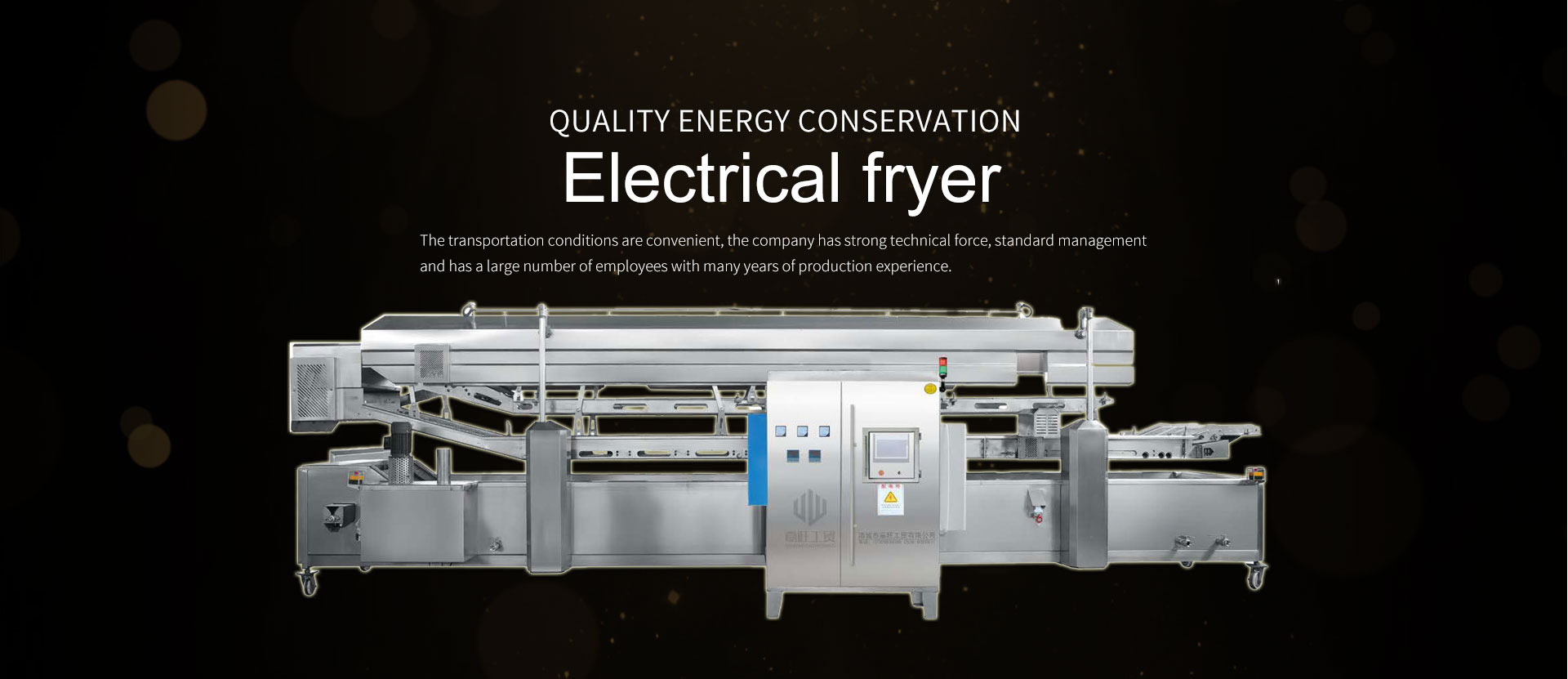
In 2026, electrical fryer design is no longer judged mainly by how fast it heats oil. The biggest changes are in safety protection, oil-life management, automation, cleanability, and process consistency. For manufacturers, foodservice operators, technical evaluators, and procurement teams, this matters because a modern electrical fryer can now reduce oil waste, improve batch stability, lower operator risk, and make compliance easier. In practical terms, the best 2026 designs are not just more efficient—they are more controllable, more data-aware, and easier to integrate into a broader production line.
What really changed in electrical fryer design in 2026?
The most important shift is that electrical fryer design has moved from standalone heating equipment to a more controlled production asset. In earlier generations, buyers often compared power rating, tank size, and basic thermostat accuracy. In 2026, those points still matter, but they are no longer enough.
Newer designs increasingly include:
- More precise temperature control with faster response and lower overshoot
- Improved oil circulation and filtration compatibility
- Safer structural layouts to reduce splashing, overheating, and operator contact risk
- Smarter control systems with programmable recipes and alarm logic
- Hygienic construction for faster cleaning and lower contamination risk
- Better energy management and thermal retention
- Easier line integration with upstream and downstream equipment
For most buyers, the headline change is simple: electrical fryers in 2026 are designed to protect product quality and operating cost at the same time.
Why are buyers paying more attention to oil management than before?
Oil cost, product consistency, and food safety are now tightly linked. One of the clearest design trends in 2026 is that fryer manufacturers are putting much more focus on how oil behaves during real production, not just on how the heaters perform.
That means better tank geometry, improved sediment control, and easier integration with external or built-in filtration systems. A well-designed oil path helps reduce burnt crumbs, local overheating, and premature oil degradation. For operations that produce coated, breaded, or high-turnover fried products, this has a direct effect on flavor, color consistency, and cost per batch.
Technical and quality teams should pay attention to questions such as:
- Does the fryer design reduce dead zones where debris accumulates?
- How easy is it to drain, filter, and refill oil safely?
- Is the oil tank shaped to support stable heat transfer?
- Can filtration be performed without excessive downtime?
- Does the system help extend usable oil life under normal production conditions?
In 2026, strong oil management is no longer a premium extra. It is one of the main indicators of whether an electrical fryer is truly modern.
How has safety design improved in 2026 electrical fryers?
Safety upgrades are among the most meaningful changes, especially for operators, plant managers, and compliance teams. Newer electrical fryer designs are increasingly built around layered protection rather than a single emergency cutoff.
Common improvements include:
- More reliable over-temperature protection
- Low-oil-level detection to protect heating elements
- Better insulation and cooler-touch external surfaces
- Safer drain structures and controlled discharge design
- Alarm systems for abnormal temperature fluctuation or sensor failure
- Interlocks that prevent operation in unsafe conditions
This matters beyond accident prevention. Better safety design also reduces unplanned stoppages, maintenance events, and training burden. For companies with stricter internal audits or export-market requirements, these features can support smoother approval and lower operational risk.
For quality and safety managers, the best evaluation approach is not just asking whether protection exists, but how the fryer behaves when something goes wrong: sensor drift, oil shortage, operator error, or abnormal load conditions.
What does “better temperature control” actually mean in daily production?
In many buying discussions, temperature precision is mentioned in general terms. But in production, what matters is not the number on a specification sheet. It is whether the fryer can recover quickly after loading, hold an even thermal profile, and produce the same result from batch to batch.
In 2026, improved electrical fryer design often includes smarter control logic, upgraded sensors, and more stable heater arrangement. These upgrades can help reduce:
- Uneven color across batches
- Undercooked interiors caused by temperature drop
- Over-browning caused by poor recovery control
- Oil stress from repeated overheating
For operators, this means fewer manual corrections. For production managers, it means more predictable output. For procurement and decision-makers, it means the fryer contributes to process control rather than creating variation.
This is especially important in facilities where the fryer is one part of a larger thermal line. In some applications, companies compare frying with steaming or combined cooking stages to optimize texture and throughput. In those broader line-planning discussions, equipment such as a Steam tunnel machine may also be evaluated alongside frying systems, depending on the product category and process goal.
Are automation and smart controls now standard expectations?
For many mid-size and large-scale buyers, yes. In 2026, control-system capability is becoming a major purchasing factor. This does not always mean fully automated factories, but it does mean buyers expect fryers to support repeatability, traceability, and easier operation.
Typical changes include:
- Recipe storage for different products
- Touchscreen interfaces with simplified operating logic
- Alarm history and fault diagnostics
- Timed frying cycles and programmable temperature stages
- Integration readiness for centralized line controls
These features matter because labor conditions are changing. Many businesses face skill gaps, operator turnover, and pressure to standardize output across shifts. Better controls help reduce dependence on individual experience and make training faster.
However, buyers should not assume more automation always means better value. The right level depends on production complexity, staff capability, and maintenance resources. A smart but overly complicated fryer can create problems if the interface is difficult or spare-part support is weak.
What design changes matter most for cleaning, hygiene, and maintenance?
One of the most practical changes in 2026 is the move toward easier sanitation and service access. This is highly relevant to quality teams, safety managers, and operators who deal with daily cleaning and inspection.
Modern designs increasingly aim to reduce hard-to-clean corners, inaccessible internal areas, and unnecessary structural complexity. Stainless-steel construction is still expected, but buyers now look more closely at weld quality, surface finish, drainage behavior, and how quickly components can be removed or opened for cleaning.
Key evaluation points include:
- Can residue be removed without dismantling large sections?
- Are heating areas accessible for inspection?
- Does the tank drain completely and predictably?
- Are control enclosures protected from washdown exposure where required?
- How easy is preventive maintenance during normal production schedules?
Maintenance-friendly design also affects uptime. A fryer that is easier to inspect, clean, and service usually performs better over time and reduces the chance of hidden buildup or neglected wear points.
How should procurement and engineering teams evaluate a 2026 electrical fryer?
The most effective evaluation is practical, not just technical. Instead of comparing only price, power, and dimensions, teams should assess the fryer as a long-term operating system.
A useful evaluation framework includes five areas:
- Process fit: Can it handle your actual product type, load pattern, and output target?
- Oil performance: Will the design help control debris, degradation, and filtering efficiency?
- Safety and compliance: Does it offer robust protection and suit your plant standards?
- Operational usability: Can operators use it consistently with minimal error?
- Lifecycle value: What are the likely impacts on oil cost, labor, downtime, spare parts, and cleaning time?
For engineering and project teams, line compatibility is also critical. Consider utilities, floor layout, loading/unloading method, exhaust requirements, and how the fryer connects with upstream or downstream equipment. In some cases, a fryer purchase is part of a wider thermal-processing upgrade, where integration with systems like conveyors, filtration units, or a Steam tunnel machine may influence the final decision.
What should decision-makers watch out for when suppliers claim “new design”?
Not every 2026 model represents a meaningful improvement. Some products may present cosmetic updates or interface changes without solving the issues that matter most in production.
Decision-makers should ask suppliers for evidence in areas such as:
- Temperature stability under real load conditions
- Oil-life improvement results or filtration performance logic
- Documented safety features and protective controls
- Cleaning and maintenance procedures
- Expected service life of key components
- Support availability, spare parts, and training
It is also wise to ask how the fryer performs in scenarios that create stress: continuous operation, heavy crumb load, frequent product changes, or less-experienced operators. Good design shows its value most clearly under demanding conditions, not ideal ones.
Bottom line: what is the real value of 2026 electrical fryer design?
The real change in 2026 is that electrical fryers are being designed to deliver more than heating. The best systems now support better oil control, stronger safety, more stable product quality, easier cleaning, and smarter operation. For users and operators, that means simpler daily work and fewer process deviations. For technical and quality teams, it means more control and easier compliance. For procurement and business decision-makers, it means a better chance of reducing total operating cost over time.
If you are comparing equipment this year, the right question is not just “Which fryer is newest?” It is “Which design best protects product quality, operator safety, and long-term production value?” That is where the real progress in electrical fryer design has happened in 2026.
Online Consultation