
In commercial baking lines, an Oil fryer can become a major safety concern if heat control, oil quality, filtration, and operator practices are not properly managed. For quality control and safety managers, understanding these common risks is essential to preventing fire hazards, product contamination, equipment damage, and costly downtime. This article explores the most frequent fryer safety issues and practical ways to reduce them in daily production.
Why does an Oil fryer become a high-risk point in baking production?
In a bakery plant, the fryer is not an isolated machine. It interacts with upstream dough handling, downstream cooling, oil filtration, exhaust, cleaning schedules, and operator routines. That is why an Oil fryer often concentrates thermal, mechanical, food safety, and process risks in one location.
For quality and safety teams, the main challenge is not only preventing accidents. It is also keeping product color stable, controlling oil degradation, avoiding contamination, and maintaining line continuity during peak production shifts.
- High operating temperatures increase the chance of smoke, flash ignition, and accelerated oil breakdown.
- Crumbs, batter fines, and carbon residues can collect quickly and become both a hygiene and fire hazard.
- Inconsistent operator behavior often leads to unsafe topping-up, poor cleaning, or delayed response to alarms.
- Weak integration with oil filter and oil tank systems can shorten oil life and raise maintenance frequency.
The bakery-specific risk profile
Commercial baking lines differ from stand-alone restaurant fryers. Production is continuous, product loads vary by shift, and sanitation standards are stricter. Fried fillings, coated toppings, snacks, and hybrid baked-fried goods can all introduce moisture and particles that destabilize the fryer environment.
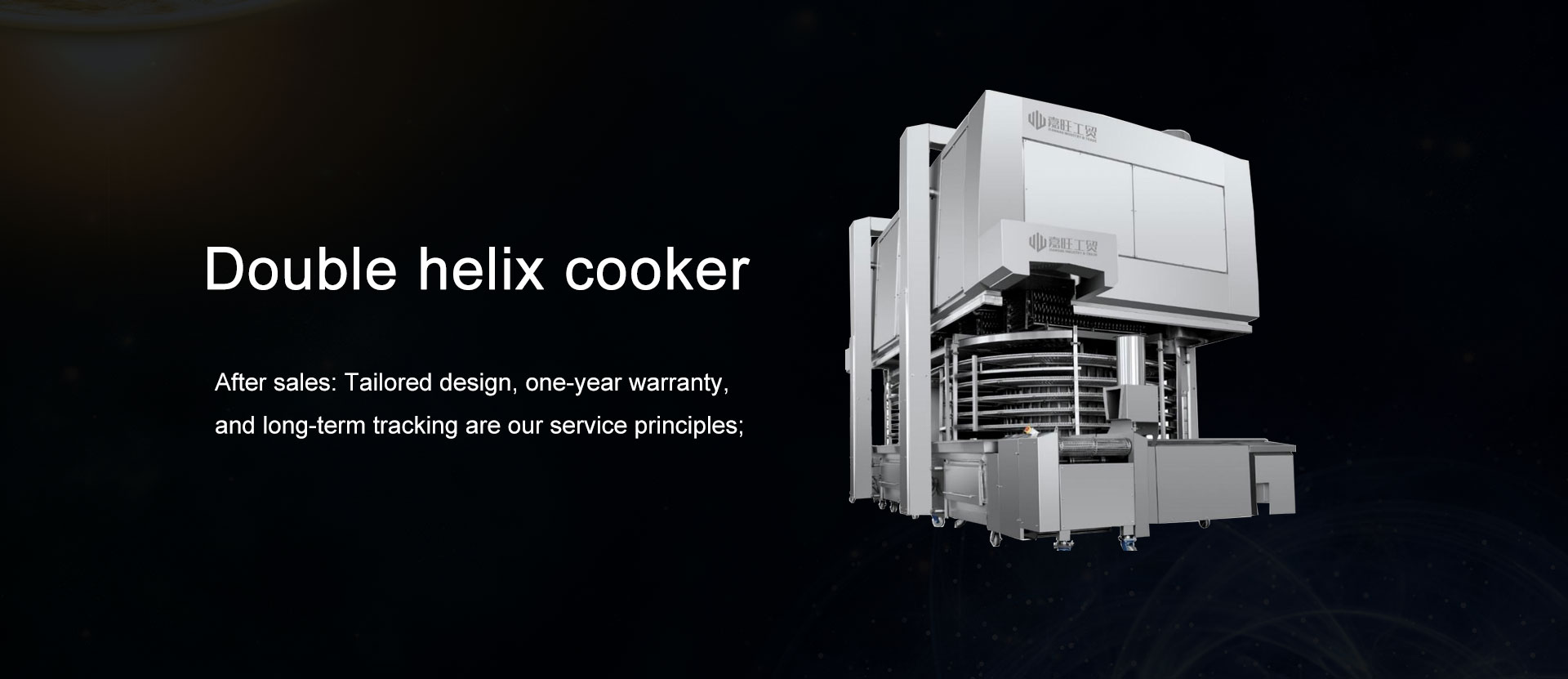
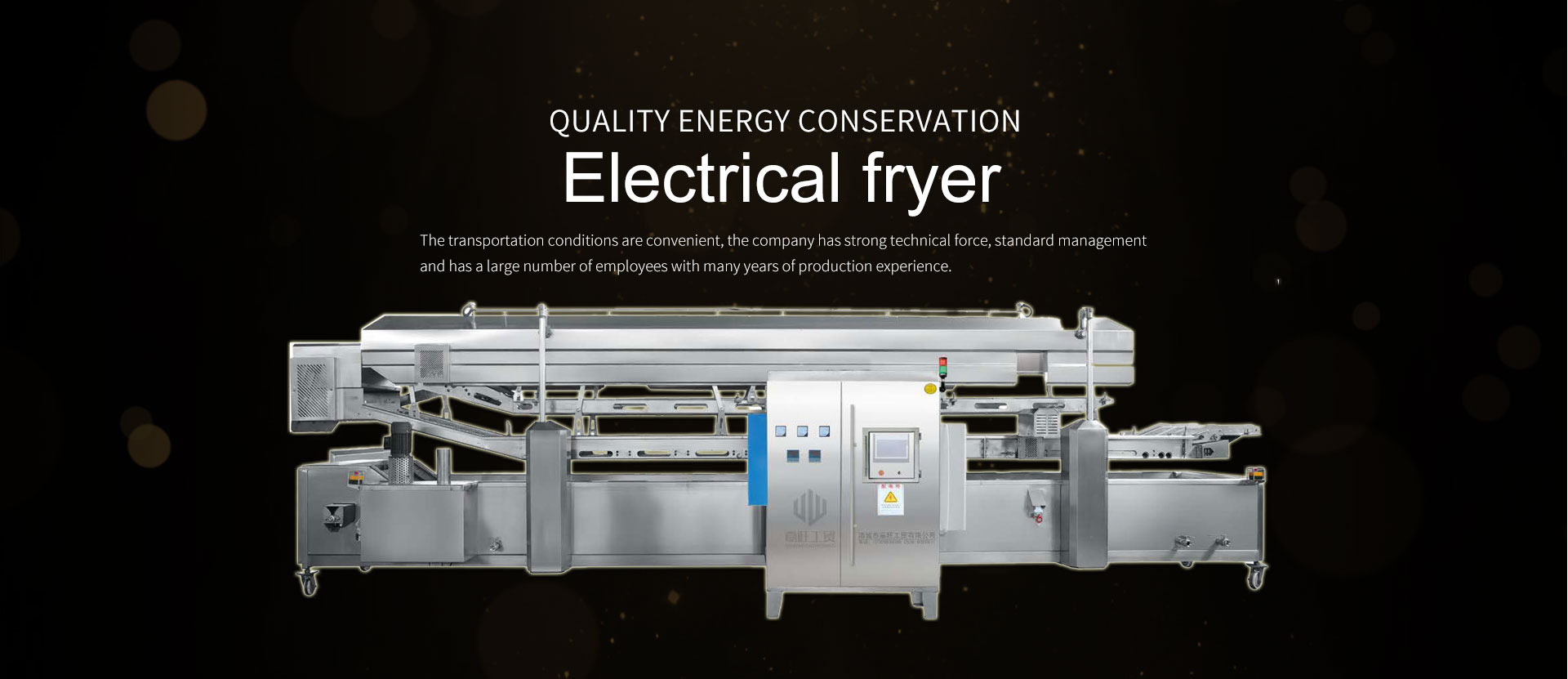
This is why safety managers should evaluate the full system, including Electrical fryer, Oil fryer, Oil filter, Oil tank, Steam tunnel machine, Double helix cooker, steaming and baking equipment, and steam cabinet coordination across the line.
Which common Oil fryer safety risks should managers check first?
The fastest way to reduce incidents is to focus on the failure points seen most often during production and maintenance. The table below helps teams prioritize daily inspection items for an Oil fryer in bakery applications.
These four categories account for many fryer-related quality losses. In most facilities, overheating and oil contamination appear first, but operator inconsistency often makes both problems worse.
Heat control failures
Temperature drift is dangerous because it affects safety and product conformity at the same time. If the Oil fryer runs hotter than the setpoint, oil oxidation speeds up, smoke points drop, and dark sediment forms faster. If it runs colder, product may absorb more oil and leave the fryer underprocessed.
Managers should check sensor placement, control response time, thermostat calibration, and emergency high-limit devices. Low oil level protection is equally important because exposed heating surfaces can trigger local overheating.
Oil quality and filtration gaps
Oil quality directly affects flavor, shelf life, surface appearance, and food safety perception. When filtration is delayed, suspended fines remain in circulation and continue to burn. This creates darker oil, stronger odor, and a higher chance of smoke during long shifts.
A well-matched oil filter and oil tank arrangement helps separate hot-zone frying from oil handling. It also supports safer oil transfer, less manual contact, and more predictable maintenance planning.
How can QC and safety managers build a practical inspection routine?
An effective routine must be simple enough for daily use and detailed enough to catch abnormal conditions early. The best checklist covers pre-start, in-process, and shutdown stages rather than relying on one general inspection.
- Before startup, confirm oil level, sensor status, guards, drain valve position, and emergency stop accessibility.
- During production, monitor temperature stability, smoke, unusual odor, crumb accumulation, and product color deviation.
- At filtration intervals, verify flow rate, residue removal, and whether operators follow lockout or cooling procedures where needed.
- At shutdown, inspect carbon deposits, cold zones, transfer lines, and cleaning completion records.
Inspection points worth documenting
Documentation matters because trends reveal problems before incidents happen. A gradual increase in top-up frequency, smoke generation, or crumb load may indicate hidden mechanical wear or process mismatch.
In mixed thermal lines, some plants pair frying with steam-based equipment to reduce thermal stress on specific products. For example, certain pre-treatment or finishing steps may be shifted to Steaming and baking machine configurations to reduce overall oil exposure for delicate bakery items.
What should you evaluate when selecting a safer Oil fryer system?
Procurement decisions often fail when buyers compare only output and price. For bakery safety performance, the better question is whether the fryer system supports stable control, clean oil circulation, safe handling, and maintenance access.
The following table gives a practical selection view for quality and safety managers who need to compare Oil fryer options with supporting equipment.
A safer fryer is usually part of a coordinated system, not a single machine purchase. Buyers should ask about filtration connection, oil tank layout, operator access, spare parts lead time, and commissioning guidance before approving the project.
Questions procurement teams should ask suppliers
- How is over-temperature protection separated from normal temperature control?
- What filtration interval is recommended for crumb-heavy bakery products?
- Can the Oil fryer integrate with an external oil filter and oil tank for safer transfer?
- Which parts require the most frequent cleaning or replacement?
- What commissioning support is available for multi-machine baking lines?
Which standards and process controls are most relevant?
Specific regulatory requirements vary by market, but safety managers usually work around common principles: food-contact hygiene, electrical safety, thermal hazard control, lockout practices, ventilation, and preventive maintenance traceability.
Key control areas
- Validated SOPs for startup, filtering, topping up, and emergency shutdown.
- Routine calibration and verification of sensors and temperature indicators.
- Documented cleaning records for fry zones, drains, hoods, and adjacent surfaces.
- Risk assessment for hot oil transfer, splash points, and operator exposure zones.
When the line includes multiple thermal stages, such as frying, steaming, and baking, control plans should define product flow boundaries clearly. That reduces cross-process confusion and helps operators respond correctly to alarms and hold conditions.
FAQ: practical questions about Oil fryer safety in bakery plants
How often should an Oil fryer be filtered in a commercial baking line?
There is no single interval for every product. Crumb-heavy or coated items need more frequent filtration than cleaner dough applications. A practical rule is to set a baseline by product type, then adjust using visible residue load, oil color change, smoke tendency, and product quality results.
What is the most overlooked risk during daily operation?
In many plants, the most overlooked risk is unstable operator practice during busy shifts. Teams may watch temperature closely but ignore unsafe refill timing, skipped crumb removal, or delayed reporting of unusual odor and smoke. These small deviations often create larger safety events.
Is an Electrical fryer always safer than an Oil fryer?
Not automatically. Safety depends on design, controls, maintenance, and the production scenario. An Electrical fryer may offer certain control advantages, but any fryer using hot oil still requires strong temperature protection, filtration management, and operator discipline.
When should a bakery consider process alternatives?
If a product suffers from excessive oil pickup, unstable color, or difficult sanitation, it may be worth reviewing hybrid thermal solutions. In some applications, a second-stage process using a Steaming and baking machine can reduce dependence on long frying exposure while improving line flexibility.
Why choose us for fryer-related safety and line planning?
For quality control and safety managers, equipment selection is rarely about one machine alone. It is about whether the entire thermal process can run safely, cleanly, and predictably under real production pressure. Our business covers Electrical fryer, Oil fryer, Oil filter, Oil tank, Steam tunnel machine, Double helix cooker, Steaming and baking machine, and Steam cabinet, which supports more complete line matching instead of isolated recommendations.
You can contact us to discuss fryer parameters, product characteristics, filtration layout, oil tank configuration, delivery timing, line integration, and basic compliance expectations for your market. If you are comparing options, we can also help review operating risks, maintenance access, and practical selection points before quotation and project confirmation.
Online Consultation